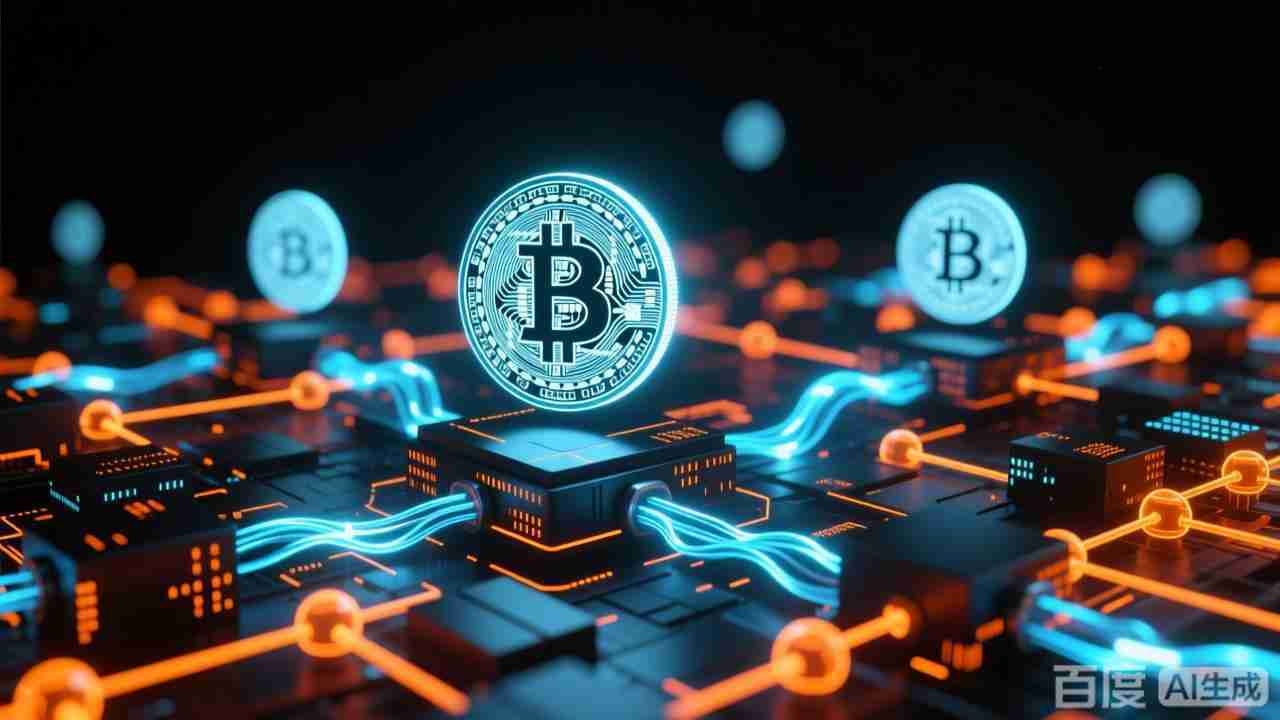
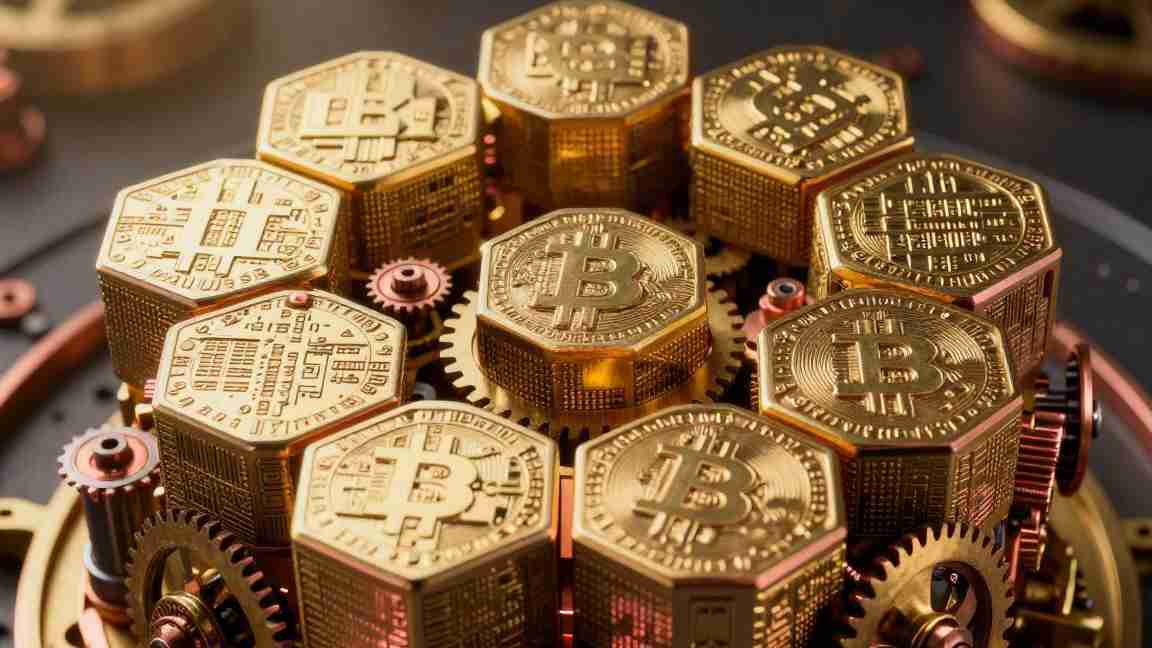
Virtual currency mining, often referred to simply as "crypto mining," is the process by which new units of digital currencies (such as Bitcoin, Ethereum, and others) are created, and transactions involving these currencies are verified and added to the blockchain ledger. Far more than just a means of generating new coins, mining is the backbone that secures and maintains the integrity of decentralized cryptocurrency networks, relying on specialized computational power and complex algorithms to function.
The Core Mechanism: How Mining Works
At its heart, virtual currency mining is a competitive computational process. Miners use powerful hardware—initially CPUs, then GPUs, and today primarily ASICs (Application-Specific Integrated Circuits) for Bitcoin—to solve complex mathematical puzzles, typically based on cryptographic hash functions. For example, Bitcoin’s mining network targets solving a "hash puzzle" to find a 64 hexadecimal number (a "hash") that meets specific criteria set by the network. The first miner to solve this puzzle gets to "mine" a new block of transactions and is rewarded with newly minted bitcoins (currently 6.25 BTC per block, halved approximately every four years in an event called "the halving") plus transaction fees from the included transactions.
This process is secured by "proof-of-work" (PoW), a consensus mechanism that requires miners to demonstrate significant computational effort. The effort ensures that adding or altering a block in the blockchain would require redoing the work for that block and all subsequent blocks, making tampering with the ledger computationally impractical and thus securing the network.
Key Drivers and Challenges
The rise of virtual currency mining has been fueled by the growing value and adoption of cryptocurrencies, alongside advancements in mining technology. However, the industry faces significant challenges:
- Energy Consumption: Mining is energy-intensive. Bitcoin mining, for instance, consumes more electricity annually than some mid-sized countries, due to the high computational power required. This has raised concerns about its environmental impact, especially when powered by fossil fuels.
- Hardware Costs and Centralization: Specialized ASICs are expensive, and their limited availability has led to a concentration of mining power in the hands of large-scale operators or "mining pools," potentially undermining the decentralized ethos of some cryptocurrencies.

- Regulatory Uncertainty: Governments worldwide have adopted varying stances on mining, from outright bans (as in China) to supportive regulations (as in parts of North America and Europe). Regulatory shifts can significantly impact mining profitability and operations.
- Market Volatility: The value of cryptocurrencies directly affects mining rewards. When prices fall, miners with higher operational costs may struggle to remain profitable, leading to network difficulty adjustments or exits from the mining ecosystem.
The Future of Mining: Innovation and Sustainability
Despite these challenges, mining continues to evolve. Efforts to address energy concerns include the rise of "green mining" initiatives, which leverage renewable energy sources (solar, hydro, wind) to power mining operations. Additionally, some cryptocurrencies are transitioning from proof-of-work to less energy-intensive consensus mechanisms like "proof-of-stake" (PoS), as seen with Ethereum’s 2022 merge, which drastically reduced its energy consumption by eliminating the need for competitive mining.
For PoW-based cryptocurrencies like Bitcoin, innovation focuses on improving mining efficiency, developing more sustainable energy solutions, and enhancing decentralization through accessible mining hardware and protocols. As the industry matures, the balance between profitability, security, and sustainability will shape the future of virtual currency mining.
In conclusion, virtual currency mining is a complex and dynamic field that lies at the intersection of technology, economics, and environmental policy. While it faces significant hurdles, its role in securing decentralized networks and enabling the creation of digital currencies ensures that it will remain a critical component of the cryptocurrency ecosystem for years to come.